Pistachio Health Benefits: 9 Long-Term Effects of Eating Them Daily


If you are looking for a small daily habit with a big long-term payoff, a handful of pistachios may be one of the easiest choices you can make. These green, naturally colourful nuts have been enjoyed across the Mediterranean and the Middle East for thousands of years, and modern nutrition research is now catching up with what traditional kitchens always knew: pistachios are not just a treat, they are a genuinely nourishing food. In this guide we look at the most important pistachio health benefits, what happens when you eat them regularly over months and years, how many you should eat per day, and how to choose the best quality pistachios for your table.
Throughout this article we focus on the long-term pistachio health benefits of regular eating patterns rather than quick fixes. No single food can transform your health overnight, but the foods you return to every day shape your wellbeing over time. That is exactly where pistachios shine.
Key Takeaways
- Pistachios are rich in plant protein, fibre, healthy fats, potassium, vitamin B6 and powerful antioxidants such as lutein and zeaxanthin.
- Eating a daily portion of nuts, including pistachios, as part of a balanced diet is associated with better heart health and healthier cholesterol levels.
- Their mix of protein, fibre and fat helps keep blood sugar steadier after meals.
- Choosing in-shell pistachios can naturally slow down your snacking and support portion control.
- A practical daily portion is about 30 grams, roughly 45 to 50 kernels.
Pistachio Nutrition: What Makes Pistachios So Nutritious?
Before we explore the long-term pistachio health benefits, it helps to understand what is inside a pistachio. Compared with many other nuts, pistachios are slightly lower in calories and higher in protein per portion, and they contain a unique combination of vitamins, minerals and plant compounds. Their green and purple colours come from natural pigments that act as antioxidants, which is one reason nutrition scientists find them so interesting.
The table below shows the approximate nutrition values for a 30 gram portion of shelled, dry-roasted pistachios. Exact numbers vary with variety, origin and processing, so treat them as a helpful guide rather than a precise label. You can explore detailed nutrient data in the USDA FoodData Central database.
| Nutrient | Per 30 g portion (approx.) |
|---|---|
| Energy | 170 kcal |
| Protein | 6 g |
| Dietary fibre | 3 g |
| Total fat | 13 g (mostly unsaturated) |
| Carbohydrates | 8 g |
| Potassium | about 300 mg |
| Vitamin B6 | about 0.3–0.5 mg |
| Lutein and zeaxanthin | notable amounts compared with most nuts |
What stands out is the balance. Most of the fat in pistachios is monounsaturated and polyunsaturated, the same kind of fat that is celebrated in the Mediterranean diet. The protein and fibre help you feel full, while potassium, magnesium and B vitamins support many everyday processes in the body. In other words, pistachios deliver a lot of nutrition in a small, convenient package.
9 Long-Term Pistachio Health Benefits Backed by Research
The pistachio health benefits below are based on the overall body of nutrition research on pistachios and on nuts in general. Many studies look at people who ate nuts regularly for weeks, months or years, which is why these effects are best understood as the reward of a consistent habit.
1. They Support Heart Health and Healthy Cholesterol
Heart health is the area where the evidence for nuts is strongest, and it is one of the best-studied pistachio health benefits. Large population studies consistently link regular nut consumption with a lower risk of cardiovascular disease, and controlled trials with pistachios have shown improvements in blood lipids. In several studies, adding pistachios to a balanced diet helped lower LDL cholesterol, often called bad cholesterol, while keeping or improving the ratio of total cholesterol to HDL cholesterol.
Why does this happen? Pistachios replace less healthy snacks with unsaturated fats, fibre and plant sterols, natural compounds that can reduce the absorption of cholesterol in the gut. Over the long term, these small daily changes may add up to a healthier heart. For the best results, enjoy pistachios instead of processed snacks, not simply in addition to them.
2. They Help Keep Blood Sugar Steady
Pistachios have a low glycaemic impact. Thanks to their protein, fibre and healthy fats, they are digested slowly and do not cause the sharp rise in blood sugar that follows sweets, white bread or crisps. Research has even found that eating pistachios together with a carbohydrate-rich meal can reduce the post-meal rise in blood sugar.
For people who want to keep their energy stable throughout the day, this is a practical advantage. A small handful of pistachios with fruit, or sprinkled over porridge or yoghurt, creates a more balanced snack that keeps hunger and cravings under control. Anyone managing diabetes or pre-diabetes should of course follow the advice of their doctor, but pistachios can fit comfortably into many blood-sugar-friendly eating plans.
3. They Can Make Weight Management Easier
It may sound surprising that a calorie-dense food can support a healthy weight, yet studies on nut eaters repeatedly show that people who eat nuts regularly do not tend to gain more weight than those who avoid them. Pistachios are particularly helpful for three reasons.
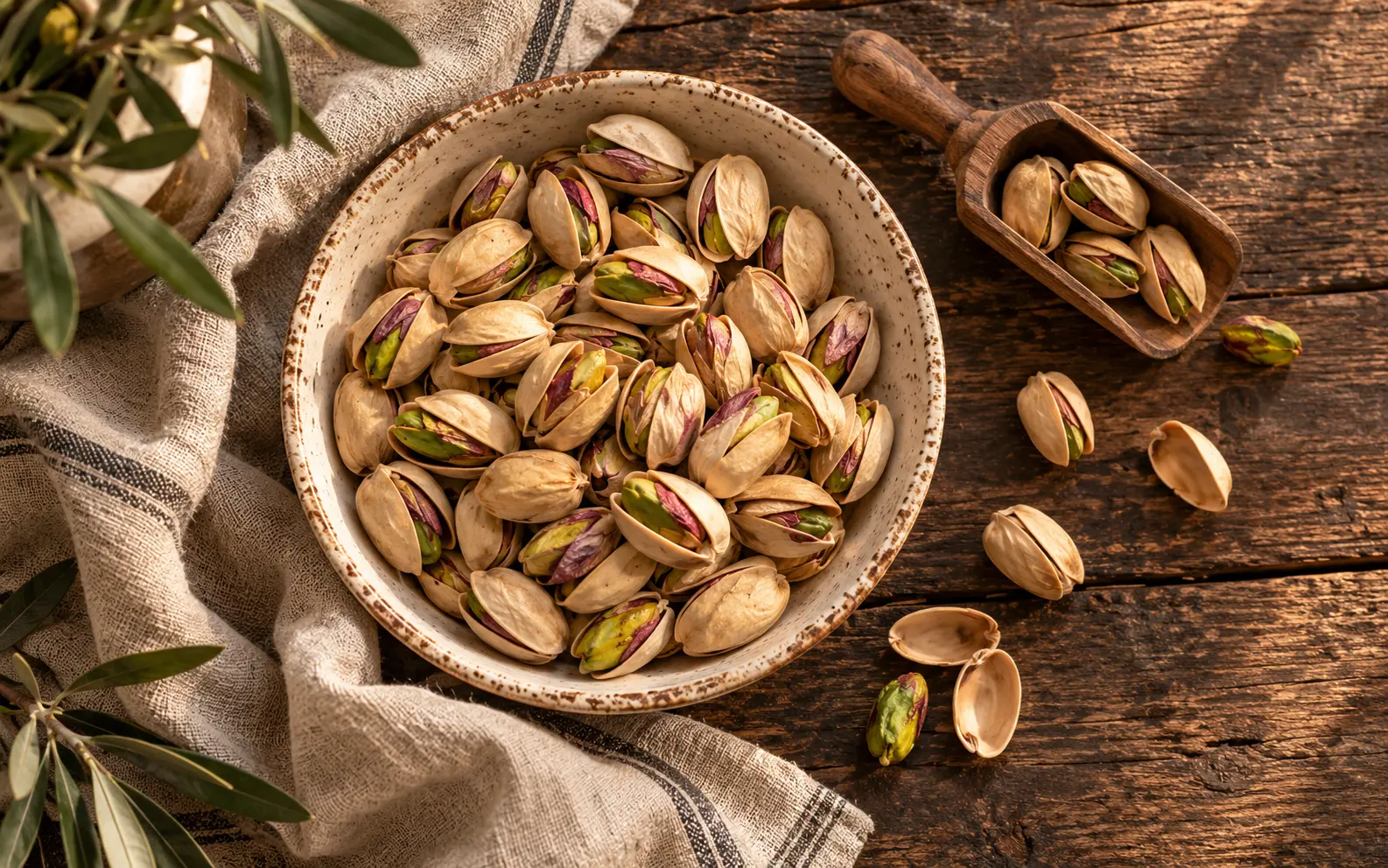
First, their protein and fibre make them filling, so a modest portion can satisfy hunger for longer. Second, some of the fat in whole nuts is not fully absorbed, which means the body may take in slightly fewer calories than the label suggests. Third, in-shell pistachios introduce a natural pause: cracking each shell slows you down, and the pile of empty shells is a gentle visual reminder of how much you have eaten. Researchers sometimes call this the pistachio principle, and it is a simple, mindful way to enjoy a snack without overdoing it.
Cracking each shell slows you down, and the pile of empty shells becomes a gentle reminder of how much you have already enjoyed.
4. They Protect Your Eyes as You Age
Pistachios are one of the best nut sources of lutein and zeaxanthin, two antioxidants that gather in the retina of the eye. These compounds help filter harmful blue light and protect eye tissue from oxidative damage. Diets rich in lutein and zeaxanthin are associated with a lower risk of age-related macular degeneration and cataracts, two common causes of vision problems in later life.
Leafy greens and egg yolks are well-known sources of these nutrients, but pistachios offer a convenient and tasty way to add more of them to your daily routine. Because lutein and zeaxanthin are fat-soluble, the natural fats in pistachios may even help your body absorb them.
5. They Feed a Healthy Gut
The health of your gut affects digestion, immunity and even mood. Pistachios contain dietary fibre that passes through to the large intestine, where it becomes food for beneficial bacteria. When these bacteria ferment fibre, they produce short-chain fatty acids such as butyrate, which help nourish the cells lining the gut.
Early research suggests that eating pistachios may shift the gut microbiome towards bacteria associated with good health. Combined with other fibre-rich foods such as vegetables, legumes, whole grains and dried fruits, a daily portion of pistachios can be a small but meaningful part of a gut-friendly diet.
6. They Provide Quality Plant Protein
Pistachios are among the most protein-rich nuts, offering around six grams of protein per portion. They also provide all nine essential amino acids, which makes them a valuable protein source for vegetarians, vegans and anyone trying to eat more plant-based meals. While they should not be your only protein source, they complement beans, lentils, grains and dairy very well.
Protein is important at every age, but it becomes even more important as we get older, because it helps maintain muscle mass and strength. A handful of pistachios is an effortless way to add a little extra protein to breakfast, salads or an afternoon snack.
7. They Are Packed with Antioxidants
Oxidative stress, an imbalance between free radicals and the body’s defences, is linked to ageing and many chronic conditions. Pistachios contain a range of antioxidants, including polyphenols, tocopherols (forms of vitamin E) and the carotenoids mentioned above. Much of this antioxidant power is found in the thin purple skin that covers the green kernel, so try not to rub it off.
Research shows that the antioxidants in pistachios are readily available to the body during digestion. Eating them regularly, as part of a diet rich in colourful fruits and vegetables, helps build a strong natural defence against everyday oxidative stress.

8. They Support Healthy Blood Vessels
Pistachios are a good source of L-arginine, an amino acid the body uses to produce nitric oxide. Nitric oxide helps blood vessels relax and widen, supporting healthy blood flow. Together with the potassium in pistachios, which helps balance the effects of sodium, this may contribute to healthy blood pressure over time.
To get the most from this benefit, choose unsalted or lightly salted pistachios. Heavily salted snacks can work against healthy blood pressure, while plain roasted pistachios keep all the good nutrients without the extra sodium.
9. They Support Energy, Brain and Nervous System Health
Pistachios are one of the richest food sources of vitamin B6, a nutrient involved in more than one hundred enzyme reactions in the body. Vitamin B6 helps the body release energy from food, supports the formation of red blood cells and plays a role in producing neurotransmitters, the chemical messengers of the brain and nervous system.
Pistachios also provide thiamine, copper, manganese and phosphorus. None of these nutrients works alone, but together they show why pistachios are much more than empty calories. They are a compact source of the micronutrients that keep your body running smoothly day after day.
How Many Pistachios Should You Eat Per Day?
For most healthy adults, a practical daily portion is about 30 grams of shelled pistachios, which is roughly 45 to 50 kernels. Many nutrition studies use portions between 30 and 45 grams per day, and dietary guidelines in many countries recommend a small handful of unsalted nuts most days of the week.
If you prefer in-shell pistachios, a portion looks like about 60 grams including shells, roughly a generous cupped handful. The key to getting the full pistachio health benefits is consistency. Enjoying a moderate portion every day is far more beneficial than eating a large bag once a week. If you are trying to manage your weight, simply use pistachios to replace less nutritious snacks rather than adding them on top of your usual diet.
Easy Ways to Enjoy Pistachios Every Day
The best healthy habit is the one you actually enjoy. Fortunately, pistachios are incredibly versatile and fit into sweet and savoury dishes alike. Here are some simple ideas to help you build a daily pistachio habit:
- Breakfast: sprinkle chopped pistachios over porridge, overnight oats or Greek yoghurt with honey and fresh fruit.
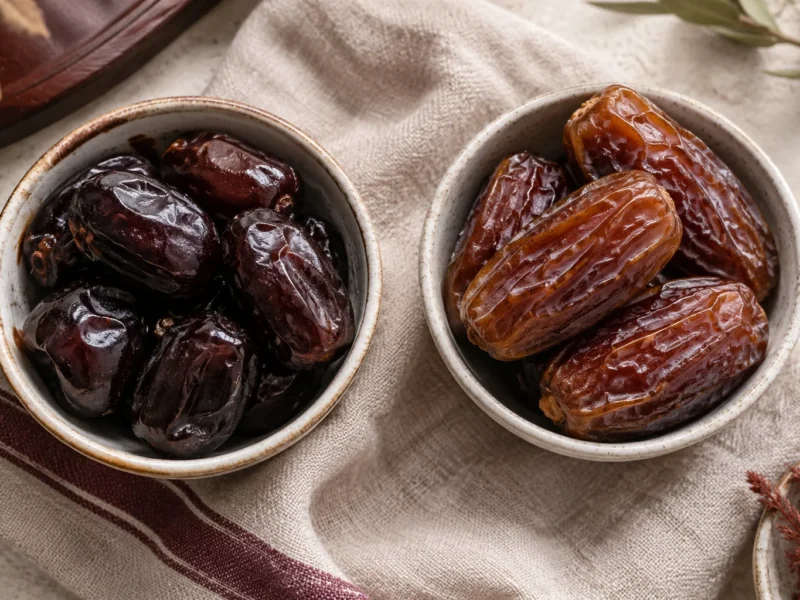
- Snack time: pair a handful of in-shell pistachios with a few Medjool dates for a naturally sweet, satisfying snack.
- Salads: add toasted pistachios to leafy salads, grain bowls or roasted vegetables for crunch and colour.
- Main dishes: use crushed pistachios as a crust for fish or chicken, or stir them into couscous and rice dishes.
- Energy bites: blend pistachios with dates and oats to make our popular date and pistachio energy bites.
- Desserts: finish cakes, ice cream or baked fruit with a sprinkle of chopped pistachios instead of sugary toppings.

Roasted, Raw or Salted: How to Choose Better Pistachios
To enjoy all the pistachio health benefits, quality matters, because not all pistachios are equal. The quality of the nut, the way it is roasted and how it is stored all affect flavour and nutrition. When you choose pistachios for everyday eating, keep these points in mind.
Choose Unsalted or Lightly Salted
Plain roasted and raw pistachios offer all the benefits without extra sodium. If you love the taste of salted pistachios, look for lightly salted options and balance them with low-salt foods during the rest of the day.
Look for Freshness and Colour
High-quality pistachios have vibrant green kernels, a pleasant nutty aroma and a crisp texture. Most shells should be naturally split, which makes them easy to open. Avoid nuts that smell stale or bitter, or show signs of mould.
Store Them Properly
Because pistachios are rich in healthy oils, they can turn rancid if exposed to heat, light and air for too long. Keep them in an airtight container in a cool, dry place, or in the refrigerator if you buy larger quantities. Properly stored pistachios stay fresh and delicious for months.
At MaxiFlavour we source our premium pistachios from trusted growers and carefully select them for freshness, flavour and quality, so you can enjoy every handful with confidence.
Possible Downsides and Who Should Be Careful
Pistachios are a healthy food for most people, but there are a few things to keep in mind:
- Nut allergies: anyone with a tree nut allergy should avoid pistachios unless their doctor advises otherwise.
- Calories: pistachios are nutrient-dense but also energy-dense, so it is wise to stick to sensible portions.
- Salt: heavily salted varieties can add a lot of sodium, which is not ideal for people watching their blood pressure.
- Sensitive digestion: pistachios contain fermentable carbohydrates that may cause discomfort for people with irritable bowel syndrome who follow a low-FODMAP diet.
- Young children: whole nuts can be a choking hazard, so offer ground or finely chopped pistachios to small children.
If you have a medical condition or take regular medication, talk to your doctor or a registered dietitian before making major changes to your diet.
Frequently Asked Questions About Pistachio Health Benefits
Is it good to eat pistachios every day?
Yes, for most healthy adults, eating a moderate portion of pistachios every day is a healthy habit. A daily handful of about 30 grams provides protein, fibre, healthy fats, vitamins and antioxidants that support long-term health, especially when pistachios replace less nutritious snacks.
What happens to your body when you eat pistachios regularly?
When eaten regularly as part of a balanced diet, pistachios may help improve cholesterol levels, keep blood sugar steadier, support a healthy weight, protect eye health and nourish beneficial gut bacteria. These effects build gradually over weeks and months of consistent eating.
Are pistachios good for weight loss?
Pistachios can support weight management when eaten in sensible portions. Their protein and fibre help you feel full, and in-shell pistachios naturally slow down your eating. The key is to use them instead of processed snacks, not in addition to them.
Are roasted pistachios as healthy as raw pistachios?
Dry-roasted pistachios keep most of their nutrients and are a healthy choice. Raw and roasted pistachios have very similar nutrition values. The biggest difference usually comes from added salt or oil, so choose unsalted or lightly salted dry-roasted varieties when possible.
How many pistachios are in a healthy portion?
A healthy portion is about 30 grams of shelled pistachios, which equals roughly 45 to 50 kernels. That is around one small handful, and it provides approximately 170 kilocalories.
The Bottom Line
The pistachio health benefits are hard to ignore: this small food has remarkable long-term potential. Their combination of plant protein, fibre, healthy fats, vitamins, minerals and antioxidants supports your heart, blood sugar, eyes, gut and overall wellbeing. The real secret is consistency: a daily handful of high-quality pistachios, enjoyed as part of a varied and balanced diet, is a simple habit that your future self will thank you for.
Ready to start your own pistachio habit? Explore our range of premium pistachios, carefully sourced and delivered fresh across Europe, and discover how good food can bring brighter days.
This article is for general information only and is not a substitute for professional medical advice. Always consult a qualified healthcare professional about your individual dietary needs.

Written by
mohamad snaashari
Part of the MaxiFlavour team, sharing recipes, origin stories and good food moments from across Europe.